Best Shipment Tracking Solutions for Global Buyers?
In today's global marketplace, effective shipment tracking is vital for buyers. Ensuring that packages arrive on time fosters trust. Buyers often face challenges in keeping tabs on their shipments. Poor visibility into shipping processes can lead to frustration.
The right shipment tracking solutions can significantly enhance buyer experience. Buyers want reliable updates and transparency in real-time. They seek to understand where their goods are at any stage. Companies must recognize this need and adapt their services accordingly.
However, not all solutions meet the mark. Some fail to provide accurate information, leading to confusion. It is essential for buyers to evaluate options critically. A balance of technology and user-friendliness plays a crucial role. Understanding various tools available is key to making informed decisions in shipment tracking.
Best Shipment Tracking Solutions for Global Buyers
In the ever-evolving landscape of global trade, effective shipment tracking solutions have become essential for buyers. A 2023 report highlighted that 70% of international buyers consider real-time tracking a priority. This reflects a growing demand for transparency in the supply chain. Improved visibility not only enhances trust but also aids in managing expectations around delivery times.
Many solutions now utilize advanced technologies such as GPS and blockchain for more reliable tracking. These innovations can reduce lost shipments by up to 30%, as noted in recent industry statistics. However, despite technological advancements, inconsistencies still arise. Limited access to tracking information from some carriers remains a significant challenge. Buyers often find themselves navigating various platforms to get the status of their shipments, which can be frustrating.
User experience remains critical, yet not all tracking interfaces are intuitive. Research shows that 40% of users struggle to find necessary shipment information online. This points to an area ripe for improvement. As the market grows, so does the need for better integration among different systems. The right shipment tracking solution can make a significant difference, but only if it prioritizes user-friendly design and comprehensive data access.
Importance of Real-Time Shipment Tracking in Global Trade
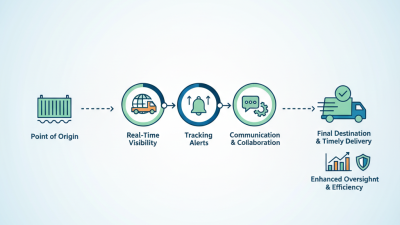
Real-time shipment tracking is crucial in today’s global trade landscape. It allows buyers to monitor their orders at every stage of the journey. Knowing where a shipment is provides peace of mind. It reduces anxiety about delays and miscommunications. Buyers can plan their inventory and logistics effectively. This means better customer service and satisfaction.
Efficient tracking also enhances supply chain transparency. Companies can identify bottlenecks and optimize their processes. However, not all tracking systems are created equal. Some may lack accuracy or timely updates. This can lead to frustration for both buyers and sellers. It's important to choose a solution that offers reliable information. Moreover, understanding the limitations of tracking systems is essential. They are not foolproof and can sometimes fail.
In an era where consumer expectations are high, the need for real-time visibility is evident. Buyers demand updates and immediate access to information. A robust shipment tracking solution can transform the trading experience. Addressing the challenges of tracking systems can lead to improved strategies. Embracing technology and innovation is key to navigating the complexities of global shipping today.
Key Features to Look for in Shipment Tracking Software
Choosing the right shipment tracking solution is crucial for global buyers. Key features can significantly enhance the efficiency of your logistics operations. Real-time tracking is a must-have. According to a recent industry report, 83% of consumers prefer to track their shipments in real-time. This feature helps reduce anxiety and improves customer satisfaction.
Another important feature is multi-carrier support. With diverse shipping options, it’s essential to have software that can handle various carriers seamlessly. Studies indicate that 70% of businesses experience shipment delays due to lack of integration. A robust software will ensure efficient management of multiple couriers to minimize disruptions.
Tips: Always prioritize user-friendly interfaces. Complicated software can lead to errors. Ensure comprehensive reporting tools are included, too. Data-driven insights can help optimize shipping routes and cut costs. Reflect on integration capabilities. A system that doesn’t connect easily with your existing platforms may cause more problems than it solves.
Comparative Analysis of Leading Shipment Tracking Solutions
When choosing a shipment tracking solution, consider key features such as real-time updates and integration capabilities. A reliable system allows buyers to monitor their shipments from multiple carriers seamlessly. Comparatively, some platforms excel in user interface design while others focus on comprehensive analytics.
Tips: Assess your specific needs before making a decision. Identify the most important features for your business type.
Another important factor is customer support. Some solutions provide 24/7 assistance, while others have limited availability. Evaluate how this affects your operations.
Tips: Check user reviews for insights on support quality. Seek feedback from current users to gauge reliability.
Ultimately, the right tracking solution should balance functionality and ease of use. A more complex platform may have advanced features but also comes with a steeper learning curve. Select a solution that aligns with your operational capabilities.
Comparison of Shipment Tracking Solutions
This chart compares the features of various shipment tracking solutions based on dimensions such as user-friendliness, real-time tracking capabilities, cost-effectiveness, and customer support.
Impact of AI and Machine Learning on Shipment Tracking Efficiency
Shipment tracking has dramatically transformed with advancements in AI and machine learning. These technologies enhance visibility across supply chains. According to a recent industry report, up to 90% of organizations using AI for logistics have seen improved tracking functions. The capacity to analyze vast amounts of data in real-time leads to increased accuracy in delivery predictions and reduces errors.
AI algorithms help in anticipating potential delays by examining factors such as weather patterns and traffic conditions. For instance, a machine learning model can analyze historical data to predict shipment disruptions. However, reliance on technology can also present challenges. Inaccurate data input or algorithm bias may lead to poor tracking outcomes. It's vital that businesses regularly update their systems and validate data to mitigate such risks.
The integration of intelligent solutions can lower operational costs by enhancing shipment efficiency. A study found that companies effectively using AI saw a reduction of 15% in logistics costs. Still, not every organization fully embraces these innovations due to implementation complexity or initial costs. Continuous evaluation and adaptation of tracking processes will be necessary as AI tools evolve.
Conclusion
In today's fast-paced global trade environment, effective shipment tracking solutions are essential for buyers to ensure timely delivery and maintain supply chain efficiency. Real-time shipment tracking enables businesses to monitor their shipments throughout the logistics process, reducing uncertainty and improving operational decision-making. When evaluating shipment tracking software, key features such as user-friendly interfaces, automated updates, and advanced analytics should be prioritized to enhance tracking accuracy and overall efficiency.
Furthermore, the incorporation of artificial intelligence and machine learning technologies significantly boosts the effectiveness of shipment tracking by predicting potential delays and optimizing routes. Analysis of industry data reveals ongoing trends in shipment delays and tracking accuracy, underscoring the importance of investing in robust shipment tracking systems. As global trade continues to evolve, adopting advanced shipment tracking solutions is vital for businesses aiming to maintain a competitive edge.