What Is an Electric Scooter Ebike and How Does It Work?

An Electric Scooter Ebike combines features from two familiar forms of personal transportation. It may have a standing scooter deck, bicycle-style controls, or both. The name is not perfectly consistent. Manufacturers sometimes use it for different designs, which can confuse new buyers.

At its core, the vehicle uses a rechargeable battery, an electric motor, a controller, and a throttle or pedal sensor. Pressing the throttle sends a signal to the controller. The controller then regulates power from the battery to the motor. Some models drive the front wheel, while others use a rear hub motor. During a short test ride, you may feel the motor respond smoothly, then notice reduced power on a steep hill. Weight, tire pressure, battery condition, and road surface all affect that experience.

The battery stores energy in cells and supplies direct current to the electrical system. A display may show speed, battery level, riding mode, and fault codes. Braking can involve mechanical disc brakes, electronic assistance, or both. Good models should provide stable steering, predictable braking, secure battery mounting, and clear operating instructions. These details matter more than impressive marketing numbers.

This guide explains how an Electric Scooter Ebike works in practical terms. It also examines range claims, charging habits, motor performance, and everyday maintenance. Specifications can look precise. Real-world results remain variable. A careful rider should compare the product manual, verified testing, and personal riding conditions before making a decision. Safety equipment and responsible riding remain essential. Fancy features cannot replace sound judgment.
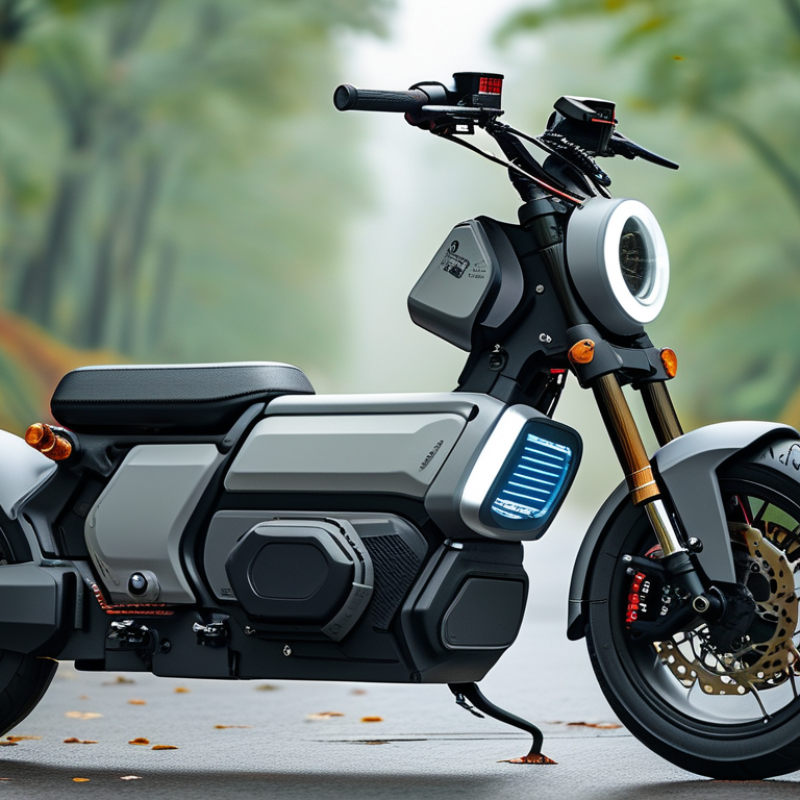
What Is an Electric Scooter Ebike and How Does It Work?

What Is an Electric Scooter Ebike?

An electric scooter ebike is a small electric two-wheeled vehicle with features from both scooters and bicycles. The name is not perfectly precise. In many listings, it describes a low-step ebike with a wide deck, compact wheels, a seat, and scooter-like handlebars. Some versions use pedals, while others rely mainly on a hand throttle. That difference can affect how the vehicle is classified and regulated in different places.

At its core, the system is simple. A rechargeable battery stores electrical energy. When the rider pedals or turns the throttle, a controller sends power to the motor. The motor then adds torque to the wheel. Sensors can measure pedal movement, speed, or braking, helping the controller adjust assistance. A display usually shows speed, battery level, and riding mode. From practical inspection, tire pressure, brake response, cable condition, and battery housing deserve regular attention. Small faults can become expensive problems.

It feels different from a traditional bicycle. The motor helps with starts, hills, and heavy loads, but it does not remove the need for balance or judgment. Range depends on rider weight, terrain, temperature, speed, and tire pressure. Marketing estimates can be optimistic. Real use is messier. Before riding, check local equipment rules, helmet requirements, speed limits, and permitted paths.

What Are the Main Components of an Electric Scooter Ebike?

An electric scooter ebike combines a bicycle-like frame with scooter-style controls and electric assistance. Its battery stores energy in a sealed pack, usually mounted near the deck or frame. Lithium-ion cells keep the vehicle relatively light, but they still need careful charging and storage. A battery management system monitors temperature, voltage, and cell balance. This small electronic safeguard matters more than many riders realize.

The motor provides the turning force at the wheel, while the controller regulates current from the battery. A throttle requests power, and pedal or speed sensors can adjust assistance automatically. Some systems respond smoothly; others feel abrupt at low speeds. That difference often comes from software settings, sensor calibration, and rider weight. The frame supports these components and must resist repeated vibration from uneven pavement. Pneumatic tires can improve comfort, although they require regular pressure checks. Solid tires resist punctures but may transmit harsher shocks.

Braking hardware deserves close attention. Mechanical or hydraulic brakes convert motion into controlled stopping force, and electronic braking may add support. A display can show speed, battery level, riding mode, and fault codes. The charger connects the battery to household electricity through a regulated power supply. Keep connectors dry and inspect cables for cuts. I have found that riders often focus on motor power while overlooking tire pressure and brake wear. That is an imperfect way to judge performance. Reliable operation depends on every component working together.

How Does an Electric Scooter Ebike Work?

What Is an Electric Scooter Ebike and How Does It Work?

An electric scooter ebike combines a narrow scooter-style frame with bicycle-like electric assistance. Its rechargeable battery stores energy in watt-hours, while a controller regulates power sent to the motor. Depending on the design, the motor sits in the wheel hub or near the crank. Sensors detect pedal movement, wheel speed, or throttle input. The controller then adjusts motor output within the vehicle’s programmed limits.

When a rider presses the throttle or pedals on an assist model, electrical current reaches the motor. Magnetic fields make the rotor turn, rotating the wheel through direct drive or gears. A display may show speed, battery level, and assist mode. Braking usually cuts motor power immediately. This matters in traffic and during sharp descents. Smooth acceleration feels natural. Poor calibration can feel abrupt.

In daily use, I would check tire pressure, brake response, and battery connections before riding. Cold weather can reduce usable range, even when the battery indicator looks reassuring. Charging should use the supplied charger on a dry, ventilated surface. Do not treat the display as exact; hills, rider weight, wind, and frequent starts change consumption. The system is convenient, but it is not maintenance-free. A loose connector or worn brake pad can turn a simple ride into a risky one.

How Is an Electric Scooter Ebike Powered and Controlled?

An electric scooter ebike combines bicycle-style assistance with a compact scooter frame. Its rechargeable battery stores electrical energy, usually inside the deck, frame, or rear section. When the rider presses the throttle or turns the pedals, a controller sends power to the hub motor. The motor then rotates the wheel and creates forward movement. Battery voltage, motor capacity, rider weight, tire pressure, and road slope all affect speed and range.

The control system is more than a handlebar switch. A throttle changes motor output directly, while pedal-assist sensors detect movement and add support gradually. A display may show speed, battery level, and assistance mode. Brake sensors can cut motor power immediately, which helps prevent unwanted acceleration. In real use, controls may feel different after rain, cold storage, or a low battery. The label “scooter ebike” can also be confusing because designs vary widely.

Tips: Check the battery indicator before riding, especially on hills. Use gentle throttle pressure on loose ground. Keep both hands on the handlebars. Test the brakes at walking speed before entering traffic. Avoid charging with damaged cables or unattended overnight charging. Tire pressure deserves attention too; soft tires reduce efficiency and make steering feel vague. A common mistake is trusting the display’s range estimate completely. It may assume ideal weight, temperature, and flat roads. Record your actual distance during several rides, then adjust expectations carefully.

What Safety Features and Riding Rules Should Users Know?

An electric scooter ebike combines pedal assistance with a compact electric motor. Its safety depends on both built-in equipment and careful riding habits.

Before each trip, test both brakes and check the tires for low pressure, cuts, or loose parts. A working headlight, rear light, reflectors, and a clear bell improve visibility around dusk and busy crossings. Keep the battery firmly secured. Do not ride if the battery case looks swollen, cracked, or unusually hot.

Wear a properly fitted helmet, even for a short journey. Bright clothing helps drivers notice you, while gloves can protect your hands during a fall. Use the lowest power setting in crowded areas. Keep both hands available for steering, and never use a phone while moving.

Carry only one rider. Children, pets, and loose bags can shift the balance suddenly.

I still sometimes forget to check my lights before leaving, which is exactly why a fixed pre-ride routine matters.

Follow local traffic rules for speed limits, road access, bike lanes, and sidewalk use. Slow down before intersections, driveways, blind corners, and parked cars. Give pedestrians plenty of space and signal before changing direction.

Wet leaves, metal covers, and painted road lines can become surprisingly slippery. Avoid riding in poor visibility or strong weather when control feels uncertain.

After parking, switch the system off and charge it on a stable, nonflammable surface. Never block an exit with the vehicle. Safety is not automatic; one rushed decision can defeat several useful features.