Top Ways of Shipping Goods from China to Global Buyers?
Shipping goods from China to global buyers requires careful planning and execution. Various ways of shipping exist, each with its own advantages and disadvantages. Understanding these methods can lead to smoother operations and satisfied customers.
Air freight is a popular option. It’s fast and reliable for urgent shipments. However, it can be quite expensive compared to other methods. Sea freight, on the other hand, is more economical for large volumes. Yet, it takes longer and may involve complex customs procedures. Some businesses overlook the importance of choosing the right shipping method, leading to delays and dissatisfied customers.
Another key aspect is packaging. Proper packaging can prevent damage during transit. It's crucial but often underestimated. Ensuring the right documentation is equally essential. Missing paperwork can cause significant delays. Businesses should reflect on their shipping practices regularly. What works today might not work tomorrow. Adapting to changes is important for success in global trade.
Top Modes of Transportation for Global Shipping from China
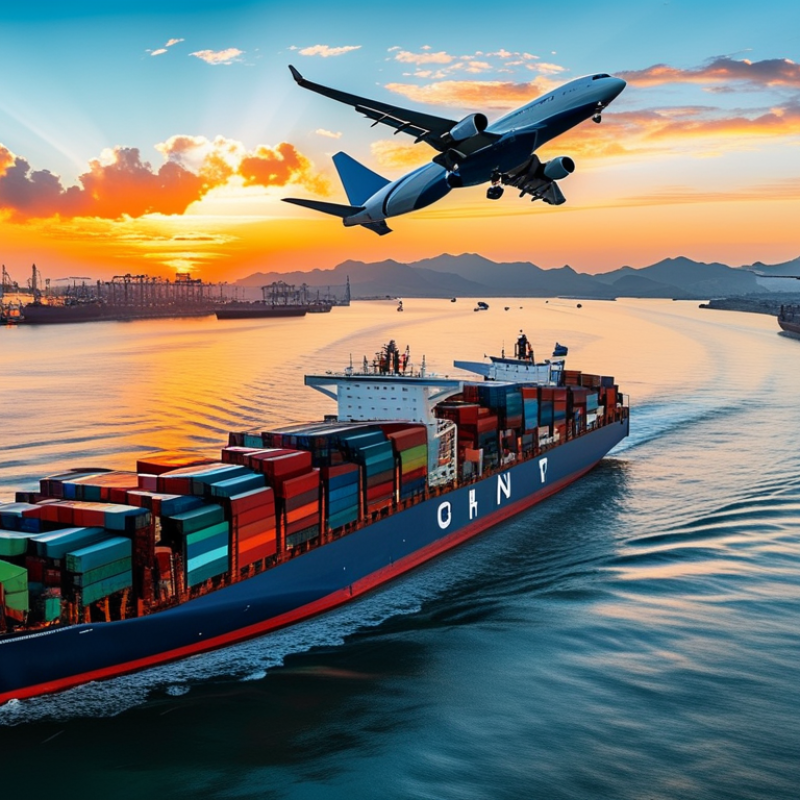
Shipping goods from China to global buyers involves different modes of transportation, each with unique advantages and drawbacks. Air freight is the fastest option, allowing delivery in days. According to a report from IHS Markit, air cargo accounts for about 35% of total global trade value. However, costs are significantly higher, making it less suitable for bulk items.
Ocean freight is prevalent among shippers, handling over 90% of global trade by volume. This method is cost-effective and ideal for large shipments. While journey times may take weeks, the reliability of shipping schedules has improved. The latest data from the World Trade Organization highlights that ocean shipping can reduce costs up to 80% compared to air options. Yet seasonal demand or port congestion may delay delivery.
Rail transport is gaining popularity, particularly for routes between China and Europe. This option combines the speed of air with the affordability of ocean freight. A recent report by the International Maritime Organization notes an increase in rail freight traffic, with transit times averaging 10-15 days. Yet, limited connectivity to global markets remains a challenge. Each transport mode has its strengths and weaknesses, requiring careful consideration based on specific shipping needs.
Comparative Analysis of Air Freight vs. Sea Freight Costs
When considering shipping goods from China to global buyers, understanding the costs of different methods is crucial. Air freight is typically the fastest option. It offers swift delivery times of just a few days. However, this speed comes at a higher price. For many small businesses, the costs can be daunting. In contrast, sea freight offers a more economical alternative, taking weeks but significantly reducing shipping fees.
A comparative analysis of air and sea freight reveals stark differences. For smaller, urgent shipments, air might be necessary despite its expense. Yet, bulk shipments benefit from the lower rates of sea transport. Buyers need to assess their urgency against cost. This evaluation is not straightforward, as shipping needs often evolve. Seasonal demands may influence choice, causing potential delays or additional fees if adjustments are not made in advance.
Navigating these complexities requires careful planning. Businesses often overlook potential hidden costs in both air and sea freight. Each method brings unique challenges, including customs clearance and package handling. Understanding these factors is key to making informed shipping decisions.
Impact of Incoterms on Shipping Responsibilities and Costs
Incoterms play a crucial role in international shipping by defining the responsibilities of buyers and sellers. These terms dictate who is liable for shipping costs, insurance, and risks during transit. Understanding Incoterms helps reduce unexpected expenses. According to the International Chamber of Commerce, over 70% of global trade involves Incoterms, emphasizing their importance.
In practice, terms like FOB (Free On Board) and CIF (Cost Insurance and Freight) often confuse buyers. Under FOB, the seller is responsible until goods are loaded onto the vessel. Once on board, the buyer assumes costs and risks. On the other hand, CIF includes transportation and insurance, reducing buyer liabilities but potentially increasing overall costs.
Considering these aspects is essential. An unclear understanding of shipping responsibilities can lead to disputes. Data from the World Bank indicates that shipping delays often stem from misunderstandings related to Incoterms. Companies should educate their teams about these terms to enhance transparency and efficiency in logistics. Regular training is beneficial in avoiding costly mistakes during international transactions.
Top Ways of Shipping Goods from China to Global Buyers
| Shipping Method |
Estimated Delivery Time |
Cost Range (USD) |
Incoterms Affect |
| Air Freight |
3-7 Days |
$5 - $10 per kg |
FOB, CIF |
| Ocean Freight |
20-40 Days |
$150 - $500 per container |
FOB, CIF, EXW |
| Express Courier |
1-3 Days |
$30 - $100 per kg |
DAP, DDP |
| Rail Freight |
15-25 Days |
$200 - $400 |
FOB, CIF |
| Truck Shipping |
7-14 Days (within Asia) |
$100 - $300 |
CPT, CIP |
Customs Regulations and Documentation for International Shipping
When shipping goods internationally from China, understanding customs regulations is crucial. Each country has different rules, and missing paperwork can cause delays. Importers should familiarize themselves with the specific documentation required for their destination. This often includes commercial invoices, packing lists, and import permits. Scrutiny by customs authorities can lead to unexpected challenges.
Proper documentation prevents many issues. It ensures the smooth transit of goods, minimizing potential costs. Accurate descriptions of goods and values help avoid misclassification. Import duties can become a significant expense if goods are incorrectly categorized. Additionally, the Harmonized System (HS) codes play a vital role in determining duties. Knowing these codes can save time and money during transit.
Many shippers overlook the importance of keeping records. Documentation errors often stem from inadequate systems or lack of organization. Regular audits of shipping documentation can reveal inconsistencies and areas for improvement. By addressing these issues, businesses can enhance their global shipping processes and compliance efforts. Investing time in understanding customs regulations ultimately leads to a more reliable shipping strategy.
Emerging Technologies Enhancing Shipping Efficiency and Tracking
Shipping goods from China to global markets increasingly relies on emerging technologies. Real-time tracking systems enhance visibility throughout the supply chain. A recent report from the International Maritime Organization indicates that efficient shipping can reduce operational costs by up to 20%. By integrating IoT devices, companies can monitor cargo conditions, ensuring the quality and safety of products during transit.
Blockchain technology is another game-changer. It offers transparent transaction records. A 2022 study by McKinsey found that blockchain could save the shipping industry $50 billion. This technology confirms the authenticity of documents, reducing fraud risks. However, integrating these technologies requires significant investment and expertise. Many companies struggle with adapting to rapid technological changes.
To ensure successful shipping, consider these strategies: Adopt real-time tracking systems to enhance cargo visibility. Invest in staff training to manage new technologies. Collaborate with tech providers for seamless integration. Remain flexible, as market demands can shift rapidly. Evaluate the cost-effectiveness of new solutions before implementing them. Embracing these technological advancements can yield substantial benefits, but it also demands careful planning and adaptation.