Top 10 Benefits of Freight Truck Tracking for Efficient Logistics Solutions?
Freight truck tracking has transformed the logistics industry. It offers real-time visibility and control over shipments. For businesses, this means improved efficiency and better customer service. Knowing the exact location of trucks helps companies make informed decisions.
Without freight truck tracking, delays can lead to frustrated customers. Unplanned changes and miscommunication are common risks. Accurate tracking minimizes these issues, ensuring timely deliveries. Companies can respond quickly to unexpected challenges. This flexibility can enhance a business's reputation and reliability.
However, implementing such systems can pose challenges. Software costs and staff training are factors to consider. Businesses must weigh the benefits against these potential obstacles. Despite this, embracing freight truck tracking can significantly improve logistics operations. It is an investment in better service and operational success.

Enhancing Visibility: Real-time Data in Freight Truck Tracking Systems
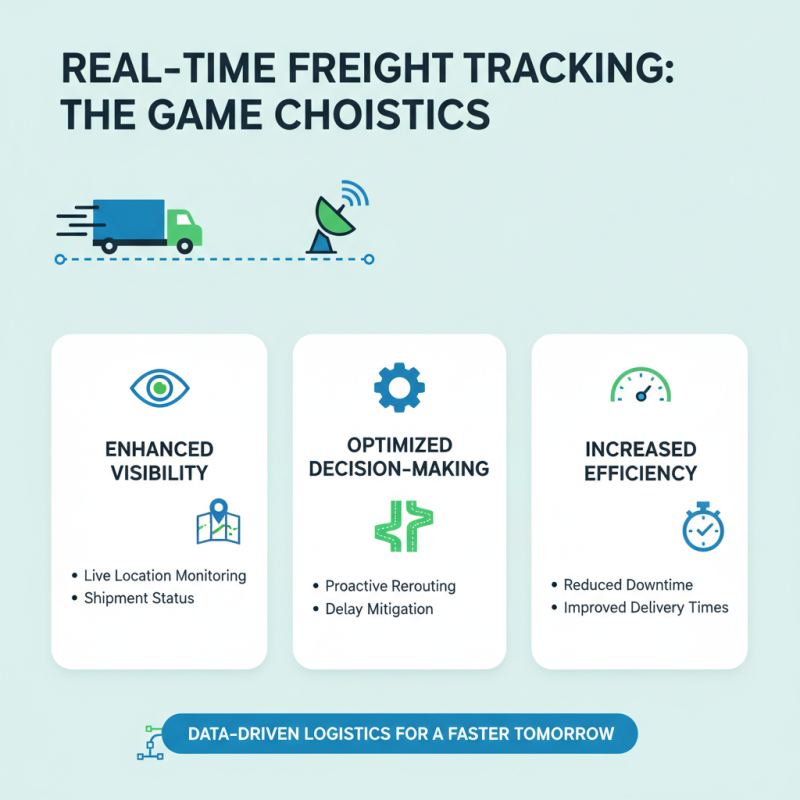
Real-time data is a game changer in freight truck tracking systems. This visibility allows logistics managers to monitor shipments in transit. Knowing the exact location of a truck helps in planning and decision-making. Imagine a situation where a truck is delayed due to traffic. With real-time updates, a manager can reroute other deliveries to maintain efficiency.
The ability to access data on demand also improves customer service. Customers appreciate being kept in the loop about their shipments. A simple notification that a delivery is running late can ease anxiety. However, there are challenges too. Not all tracking systems provide accurate data. A glitch in the system may lead to misinformation. When under pressure, relying on faulty data can create unnecessary complications.
Moreover, analyzing real-time data offers insights into operational efficiency. It highlights patterns in delays or operational bottlenecks. This can lead to process improvements. But many companies struggle to interpret this data effectively. Investing in training for staff to use these systems is vital. Overall, while the potential is huge, there’s much to refine in leveraging real-time tracking data.
Improving Operational Efficiency: Reducing Delivery Times and Costs
Freight truck tracking has transformed logistics. By implementing tracking systems, companies can significantly improve operational efficiency. This leads to reduced delivery times. When companies know the exact location of their trucks, they can make quicker decisions. Minimizing delays can cut costs and enhance customer satisfaction.
Tips: Use real-time tracking to monitor routes. Adapt quickly to traffic changes. Evaluate driver performance regularly to identify improvement areas.
Real-world challenges often arise. Nighttime deliveries can complicate tracking efforts. Traffic and weather conditions introduce unpredictability. Sometimes, the technology may fail, causing unexpected gaps in visibility. However, the benefits of consistent monitoring outweigh these issues. With tracking, businesses can streamline processes, reducing operational hiccups.
Tips: Communicate regularly with drivers. Utilize multiple data sources for accuracy. Train staff on using tracking systems effectively.
Boosting Customer Satisfaction: Accurate ETAs and Communication
Freight truck tracking has transformed how logistics operate. Real-time data helps companies provide accurate Estimated Time of Arrival (ETA) updates. When goods are delayed, customers often grow anxious. Timely communication can alleviate their concerns and foster trust.
Imagine a client waiting for an important delivery. An accurate ETA keeps them informed. They can plan their schedules around the delivery window. However, not all tracking systems are perfect. Technical issues can lead to incorrect information. In such cases, customers might feel frustrated. Companies must find ways to improve their systems instead of ignoring the flaws.
Moreover, open lines of communication are crucial. Mistakes happen, but how a company handles them matters. Quick updates about delays or changes show accountability. Clients appreciate transparency and are more likely to return. Balancing accurate info with human support creates a stronger relationship. The goal is to enhance satisfaction through thoughtful engagement.
Mitigating Risks: Safety and Security Features of Freight Tracking
Freight truck tracking significantly enhances safety and security. Real-time location data allows companies to monitor shipments closely. This capability helps protect cargo from theft or damage. When a truck deviates from its route, alerts can be triggered. Unexpected stops or delays can raise red flags. Timely responses can make a crucial difference.
Moreover, tracking systems can support driver behavior analysis. Patterns of unsafe driving, such as speeding or harsh braking, can be identified. This data enables companies to provide targeted training. Improving driver skills enhances safety for everyone on the road. Yet, even with these systems, human errors can occur, revealing areas for improvement.
The technology also aids in risk mitigation during adverse weather. If storms or other threats are reported, routes can be adjusted. Preventing accidents during transport is a top priority. However, complete reliance on tracking systems can lead to complacency. Regular checks and human oversight remain essential to achieving true safety.
Top 10 Benefits of Freight Truck Tracking for Efficient Logistics Solutions
The following chart illustrates the top ten benefits of implementing freight truck tracking in logistics, highlighting features that enhance safety, security, and operational efficiency.
Analyzing Performance Metrics: Data-Driven Decision Making in Logistics
In today's logistics landscape, performance metrics are crucial. Companies rely on data to drive strategic decisions. Freight truck tracking offers abundant real-time data. These metrics enable teams to assess delivery times, fuel efficiency, and driver behavior. Each of these factors can directly impact costs and customer satisfaction.
Investing in tracking systems can reveal inefficiencies. For example, unexpected delays can unnecessarily inflate operational costs. Tracking data can highlight these issues. Companies can analyze patterns and adjust routes or schedules. However, not every dataset tells a clear story. Sometimes, data can be misleading or incomplete, leading to poor decisions.
Emphasizing accountability is important too. Teams should routinely evaluate their tracking performance. Regular check-ins on data accuracy can prevent future errors. Additionally, fostering a culture of reflection within logistics teams encourages learning from past mistakes. This is essential for continuous improvement. Making data-driven decisions will ultimately enhance efficiency and service quality.