Best Canadian Shipping Options for Your Business in 2026?
In 2026, the landscape of Canadian shipping continues to evolve. Companies are adapting to new challenges and opportunities. Industry expert Sarah Thompson, a well-known figure in logistics, emphasizes, "Staying ahead in Canadian shipping is about understanding your customers' needs." Many businesses often overlook this crucial aspect.
As the demand for efficient shipping grows, organizations must reassess their strategies. It isn't only about speed anymore; reliability and transparency are equally important. While many companies claim to prioritize these factors, the reality can be different. Some still struggle with delays and communication issues, showing room for improvement.
The Canadian shipping industry offers numerous options. From traditional carriers to innovative tech-driven solutions, businesses have choices. Yet, navigating this complexity can be daunting. Reflecting on these options requires critical thinking. Are businesses genuinely addressing their customers' needs, or just keeping up with trends? The answer may uncover new pathways for success.

Overview of the Canadian Shipping Landscape in 2026
The Canadian shipping landscape in 2026 shows notable shifts. A recent report by the Canadian Federation of Independent Business indicates that e-commerce transactions are expected to grow by 8% annually. This surge demands innovative shipping solutions. Businesses will need to adapt quickly.
Sustainability is pivotal in shipping choices. A 2023 industry survey revealed that 62% of consumers prefer eco-friendly shipping options. Companies must invest in greener logistics to stay competitive. Failure to do so could impact customer loyalty significantly.
Technology continues to reshape the shipping sector. Automation and AI are becoming essential. Companies can reduce costs through efficient route planning and real-time tracking. However, not all businesses are prepared. Only 45% have implemented such technologies. This gap presents an opportunity for growth and improvement.
Key Factors for Choosing Shipping Options in Canada
When selecting shipping options in Canada, it's crucial to consider several key factors. Cost is often the first aspect to evaluate. Different carriers offer varying rates, which can impact your bottom line. It’s essential to get quotes from multiple providers. This ensures you aren't overpaying for services. Sometimes, lower rates can come with longer transit times. Analyze the trade-off between speed and cost.
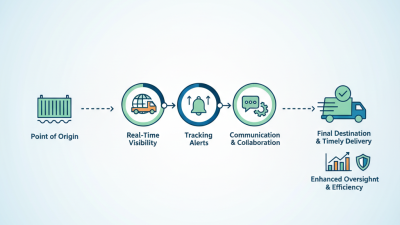
Speed of delivery is another essential factor. Customers expect quick service. Delayed deliveries can damage your brand's reputation. Look for services that provide reliable estimated delivery times. Efficiency matters, but it's also about communication. Providing tracking information keeps customers informed.
Reliability varies among carriers, and this can be a challenge. Look for reviews and feedback from other businesses. Sometimes, even popular options can let you down. Don't let past mistakes dictate your future choices. Consider using multiple shipping methods. This can help mitigate risks and improve customer satisfaction. Testing different services can lead to better insights for your business.
Popular Shipping Carriers for Businesses in Canada
Shipping is a crucial aspect of any business. In Canada, there are several notable shipping carriers that can cater to diverse needs. Each option comes with its own set of pros and cons. Finding the right fit can be challenging.
One popular choice offers extensive ground services. Businesses often appreciate the reliability and speed. However, shipping costs can quickly add up. Another carrier shines in express delivery. It boasts impressive transit times, yet, they may lack flexibility. Some smaller companies find this frustrating.
Reflecting on these options is important. While some carriers excel in cost, others provide efficiency. A balance must be struck between expense and service. Many businesses must scrutinize their options to meet their specific needs. The quest for the best shipping solution requires careful consideration and adaptability.
Best Canadian Shipping Options for Your Business in 2026
Emerging Shipping Technologies and Trends in 2026
Emerging shipping technologies are redefining logistics in Canada. By 2026, trends show a shift towards automation and sustainability. According to a recent report from Industry Canada, over 60% of businesses are planning to adopt automated systems for inventory management. Automation reduces labor costs and accelerates processing times, but it also raises concerns about job loss.
Sustainability is another major focus. Research indicates that 45% of consumers prefer eco-friendly shipping options. Companies adopting green technologies may gain a competitive edge, yet implementation can be costly. Investments in electric delivery vehicles are projected to rise significantly, which may lead to slower initial returns.
Blockchain technology is emerging as a game changer. It improves transparency in supply chains. Advanced security features can protect shipments against fraud. However, the learning curve is steep. Many businesses struggle to integrate these systems effectively. As these trends unfold, adaptability will be crucial for success in the evolving shipping landscape.
Best Practices for Cost-Effective Shipping in Canada
Shipping can be a significant expense for businesses in Canada. Understanding cost-effective shipping methods is vital. According to a recent report, shipping costs can account for about 10-15% of a company's overall expenses. To manage these costs, businesses must apply best practices that enhance efficiency.
One effective tip is to leverage regional shipping services. Local carriers often provide competitive rates. They can deliver faster, which improves customer satisfaction. Consider using technology to optimize routes and reduce fuel costs. Some businesses have reported saving 20% on shipping by using route optimization software.
Another strategy involves choosing the right packaging. Using smaller, lighter boxes can lower shipping fees. A study found that businesses could save 15% on shipping costs by transitioning to optimized packaging. It's worth evaluating your packaging materials regularly to find economical alternatives that maintain quality.
These strategies can greatly improve your shipping approach. Constantly assess your current shipping methods. There may be changes that unlock even more savings and efficiency in your operations.