What is Bill Shipping and How Does It Work?

Bill shipping is an essential part of the logistics and transportation industry. It involves the billing and payment process related to shipping goods. Many businesses leverage bill shipping to manage costs effectively. However, the process can sometimes be confusing and may lead to unexpected issues.

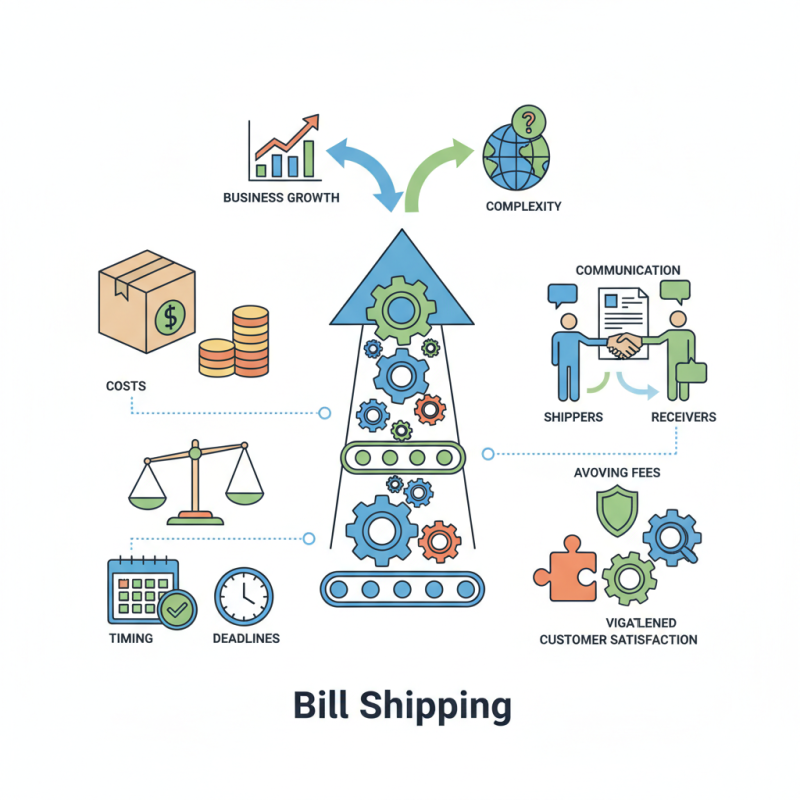
In today’s fast-paced market, understanding bill shipping is crucial. It determines how shipping costs are calculated, who covers them, and when payments are due. Inconsistent practices can lead to misunderstandings. Companies must stay vigilant to avoid hidden fees and delays.

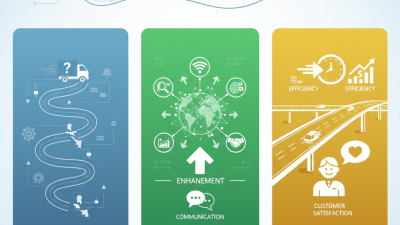
Proper management of bill shipping can enhance customer satisfaction and streamline operations. Still, one must reflect on the importance of clear communication. Miscommunication can create frustration for both shippers and receivers. Knowing the ins and outs of bill shipping helps businesses thrive in a competitive environment.
What is Bill Shipping and How Does It Work?

What is Bill Shipping?

Bill shipping refers to a logistics process where businesses send products without upfront payment. Instead, customers receive a bill for the items after delivery. This system simplifies transactions, allowing customers to receive products quickly. Moreover, it builds trust between businesses and their clients.

In practice, bill shipping can be a double-edged sword. It encourages sales but risks non-payment. Companies often conduct credit checks before approving customers for this service. Delivery drivers typically carry bills to collect payment upon delivery. However, not all customers pay on time. In some cases, disputes arise over charges. This can lead to financial strain on businesses.

While bill shipping can attract more customers, it requires careful management. Companies must weigh the benefits against the potential risks. They need solid protocols for collections. Striking the right balance is key to successful operations. Some businesses may find themselves struggling with overdue bills. Others may thrive, benefiting from increased customer satisfaction. The outcomes often depend on clear communication and diligent follow-up.

What is Bill Shipping and How Does It Work?

Dimension Details
Definition Bill shipping is the process of sending goods where the shipping costs are charged to the consignee's account.
Process The sender prepares the shipment, designates the bill shipping option, and the consignee pays for the shipping upon receipt.
Common Uses Often used in B2B transactions, e-commerce shipments, and returns.
Advantages Convenient for senders, helps manage cash flow, and provides flexibility for recipients.
Considerations Potential for disputes over shipping costs, and recipients may refuse shipment if costs are too high.

The History and Evolution of Bill Shipping

Bill shipping has evolved significantly over the years. Its roots trace back to early trade practices. Historically, merchants relied on handwritten invoices or bills of lading. This process was time-consuming and prone to errors. As trade expanded, the need for efficiency grew. By the late 19th century, the concept of automated billing emerged.

Advancements in technology transformed this landscape. The introduction of electronic billing systems simplified transactions. Reports indicate that companies using automated billing saw a 30% reduction in processing time. However, challenges remain. Not all businesses have adopted these systems. As per industry data, 40% of small businesses still use paper invoices. This reliance on outdated methods can hinder growth.

Today, bill shipping continues to further change. Digital platforms offer new solutions for managing invoices. Yet, issues like data security and user trust are concerns. Business owners often struggle with understanding the best practices for these systems. As the landscape evolves, companies must reflect on their strategies. Embracing innovation while addressing potential risks is crucial for future success.

Bill Shipping: Historical Growth and Evolution

How Does Bill Shipping Work?

Bill shipping is a process that facilitates the movement of goods by providing a traditional document confirming shipment. It is often used when the buyer pays for the shipment once it arrives. This creates a sense of trust between parties. However, the system relies heavily on clear communication. Misunderstandings can lead to disputes.

When a buyer places an order, the seller prepares the items. They create a bill of lading, specifying the goods and details. This document travels with the shipment. Upon arrival, the buyer must pay the agreed amount. It seems straightforward, but complications can arise. Delays can occur, impacting payment timelines. Miscommunication about delivery details can create confusion. Sometimes, the buyer may not be ready to accept the shipment.

Additionally, there's the aspect of documentation. Errors in the bill of lading can cause serious issues. Ensuring accuracy is crucial. Many struggle with this, leading to unnecessary hassles. Reflecting on these challenges can help improve the process. Better collaboration and understanding can enhance experiences for both sellers and buyers in bill shipping.

Key Components of Bill Shipping Process

What is Bill Shipping and How Does It Work?

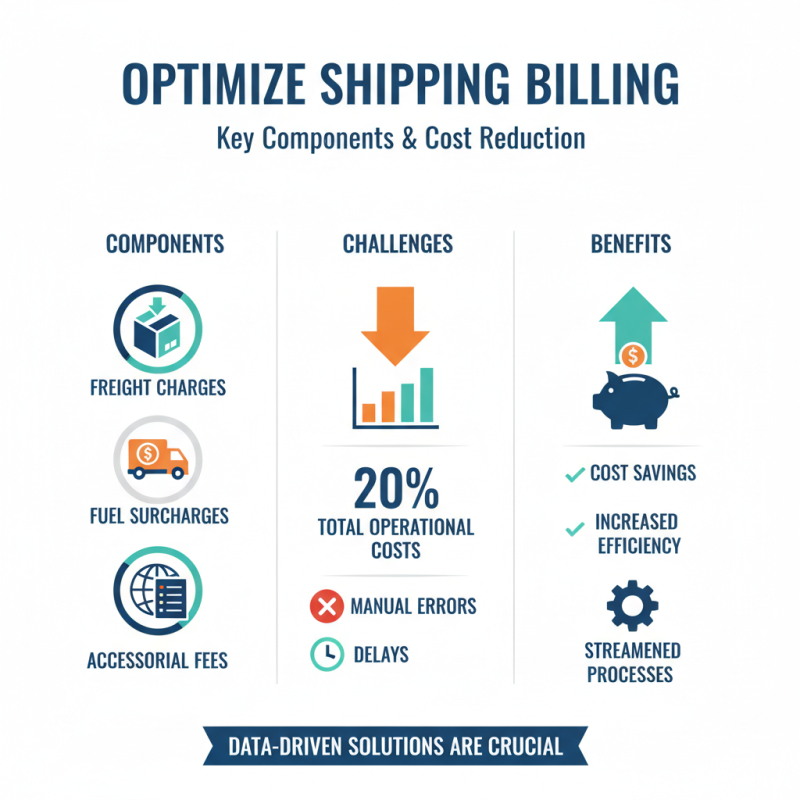
Bill shipping is a complex process that involves several key components. Understanding these elements is crucial for optimizing efficiency and reducing costs. A recent industry report stated that shipping costs account for nearly 20% of the total operational expenses for many businesses. This figure emphasizes the need for a well-structured billing process.

One major component is the accurate measurement of shipping dimensions. Inaccurate weights or sizes can lead to unexpected charges. The report highlights that nearly 30% of shipping invoices contain discrepancies. Businesses often face delays in shipment deliveries due to billing errors. Streamlining this process is essential to improve cash flow and reduce friction with logistics partners.

Another critical aspect is communication between various stakeholders. Clear information sharing between shipping companies and clients can minimize misunderstandings. A survey found that over 40% of issues arise from poor communication. It can delay shipments and increase costs significantly. Addressing these shortcomings is vital for effective bill shipping. Companies must invest in better tools to track shipments and manage billing accurately.

Benefits and Challenges of Bill Shipping

What is Bill Shipping and How Does It Work?

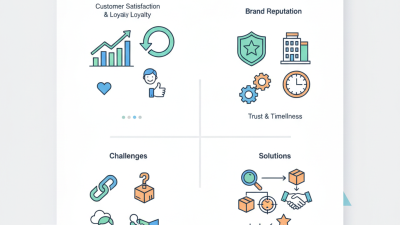
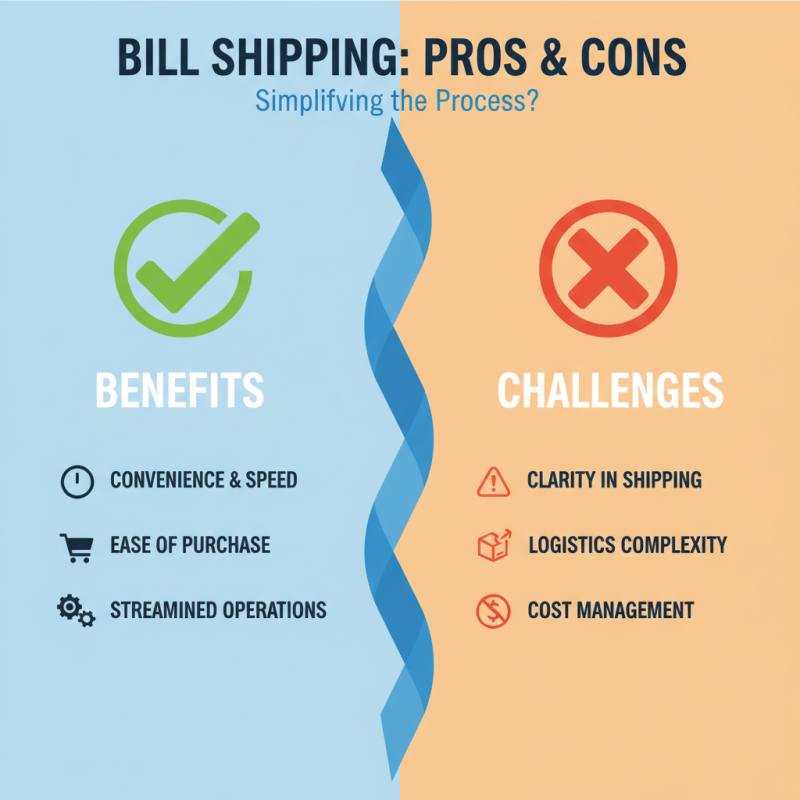
Bill shipping offers numerous benefits, but it also comes with challenges. One major benefit is convenience. Customers appreciate receiving items without the need to handle the physical products first. This method saves time and effort. It allows businesses to streamline their operations. However, it's essential to ensure that shipping processes are clear and effective.

A key challenge is ensuring transparency. Customers need to understand the costs involved. Hidden fees can frustrate buyers. If they feel misled, they may choose competitors. Businesses must focus on clear communication. Providing detailed breakdowns of shipping charges can help alleviate concerns.

Tips: Always notify customers about shipping timelines. Unexpected delays can lead to dissatisfaction. Also, regularly update tracking information to ensure that customers feel informed. This builds trust in your services. Remember to consider feedback. Addressing customer concerns can lead to improvements.