How to Improve Your Trucking Tracking Efficiency for Global Shipping?
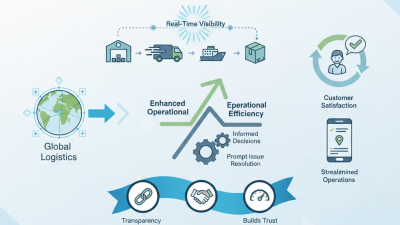
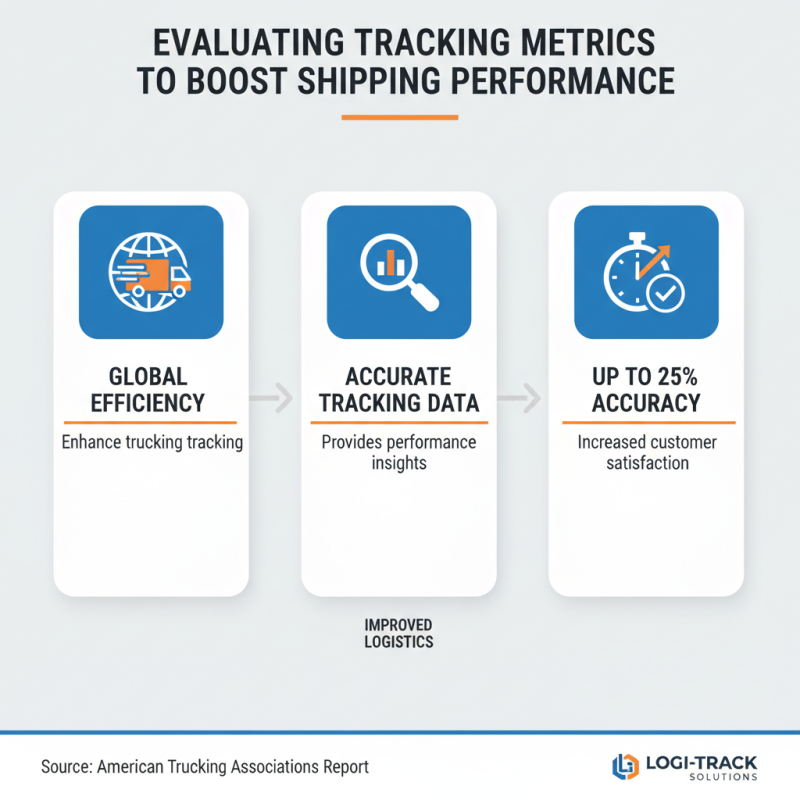
In today's global shipping industry, trucking tracking efficiency plays a pivotal role. The need for accurate tracking is underscored by a report from the American Transportation Research Institute, stating that 25% of delays in trucking are due to inefficient tracking processes. The digital transformation of logistics demands improved visibility and communication. As shippers face increased pressure to lower costs and enhance service, effective trucking tracking becomes essential.
Recent studies indicate that companies embracing advanced tracking technologies can realize a 15% increase in operational efficiency. This transformation is not merely about deploying tools; it requires a mindset shift. Organizations must look at their existing systems and identify pain points. Current tracking methods often leave gaps, leading to lost revenue and customer dissatisfaction.
The industry is evolving rapidly, but challenges remain. Many trucking companies still struggle with outdated tracking systems. Data accuracy issues exacerbate these inefficiencies, creating ripple effects throughout the supply chain. Understanding these challenges is crucial for businesses aiming to boost their trucking tracking capabilities. Addressing inefficiencies is not just an operational need—it's a competitive imperative.

Understanding the Importance of Tracking Efficiency in Global Shipping
Tracking efficiency in global shipping plays a pivotal role in maintaining a competitive edge. Proper tracking ensures that shipments reach their destinations on time, which is vital for operational success. Businesses depend on timely deliveries to meet customer demands and build trust. When tracking is inefficient, delays and errors become common. These issues can lead to lost revenue and dissatisfied clients.
To enhance tracking efficiency, adopt automated tracking systems. Such systems can reduce manual errors and save time. Integrating GPS technology allows real-time location monitoring. This not only seals gaps in accountability but also provides customers with accurate delivery updates. Consider optimizing communication between all parties involved in the shipping process. A transparent flow of information minimizes confusion and accelerates problem-solving.
While implementing these strategies, remain aware of possible shortcomings. Technology can fail, or miscommunication can occur. Regularly reviewing your tracking procedures is essential. Seek feedback from your team and clients to identify areas needing improvement. This ongoing assessment fosters a culture of continuous enhancement, ensuring that your shipping processes adapt to evolving challenges.
Key Technologies for Enhancing Trucking Tracking Systems
In the rapidly evolving world of global shipping, effective trucking tracking systems are crucial. Leveraging advanced technologies can vastly improve operational efficiency. GPS tracking is one of the pivotal tools enhancing real-time visibility of shipments. It allows companies to locate their trucks at any moment, reducing delays.
Another vital technology is IoT (Internet of Things) sensors. These sensors monitor conditions such as temperature and humidity. They provide data that helps in maintaining cargo integrity. However, adopting IoT comes with challenges like data overload and complex integration. Companies must ensure their systems can analyze and utilize this data effectively.
Tips: Regularly update your tracking software to remain competitive. Invest in training staff on new technologies. Encourage feedback to identify issues in the tracking process. Technology is a double-edged sword; it streamlines operations but can overwhelm if not managed well. Balancing efficiency and complexity is key in modern trucking.
Trucking Tracking Efficiency for Global Shipping
Best Practices for Implementing Tracking Software in Logistics
Implementing tracking software in logistics can significantly boost efficiency. However, choosing the right tool requires careful consideration. Assess your specific needs and industry demands. The software must align well with your operational workflow to ensure seamless integration. Engage your team during this selection process. Their insights can uncover potential challenges.
Training staff is crucial for successful implementation. Many employees struggle to adapt to new technology. Provide clear and concise training sessions. Consider using real scenarios to demonstrate the software’s functions. Encourage feedback and address concerns promptly. This approach builds confidence among users.
It’s essential to monitor the software's performance regularly. Tracking metrics like delivery times and accuracy helps identify areas for improvement. If the software isn’t meeting expectations, re-evaluate your process. Sometimes, it may not be the software, but rather the way it’s used.
Continuous improvement is key in logistics. Embrace the learning curve and stay open to adjustments.
Optimizing Communication Channels in Trucking Operations
Effective communication is vital in trucking operations. It ensures timely updates and minimizes delays. In global shipping, where distances are vast, clear communication is crucial. Use multiple channels to connect your team, drivers, and clients. Email, messaging apps, and phone calls are just a few options. Each method has its strengths and can enhance your operation's flexibility.
Tips: Regularly update your team on route changes, delays, and schedules. Establish a protocol for urgent communications. This way, everyone stays informed and aligned.
Tracking efficiency also depends on how well information flows between stakeholders. Ensure your drivers have access to real-time updates. This may include traffic alerts or changes in delivery times. Encourage your team to provide feedback on communication practices. Sometimes, what worked yesterday may not fit today’s challenges.
Tips: Implement regular check-ins to discuss communication barriers. Evaluate your current tools and processes. You may discover areas requiring adjustment or improvement.
How to Improve Your Trucking Tracking Efficiency for Global Shipping? - Optimizing Communication Channels in Trucking Operations
| Dimension |
Current Status |
Improvement Target |
Action Plan |
| Real-time GPS Tracking |
80% accuracy |
95% accuracy |
Upgrade GPS technology and software |
| Driver Communication |
70% satisfaction |
90% satisfaction |
Implement communication app |
| Delivery Time Accuracy |
85% on-time |
98% on-time |
Optimize routes and reduce delays |
| Load Tracking |
75% visibility |
100% visibility |
Integrate IoT devices |