Top 10 Midwest Trucking Tracking Tips for Efficient Shipping?
In the world of logistics, efficient shipping is crucial, especially in the Midwest trucking tracking industry. Renowned expert, John McCarthy, once stated, "The key to successful trucking lies in accurate tracking and real-time updates." This insight resonates deeply with shippers looking to optimize their operations.
Midwest trucking tracking has its unique challenges. Weather conditions and road conditions can vary, impacting delivery times. Each delay can lead to increased costs. Therefore, precise tracking not only ensures timely deliveries but also helps in planning for unforeseen circumstances.
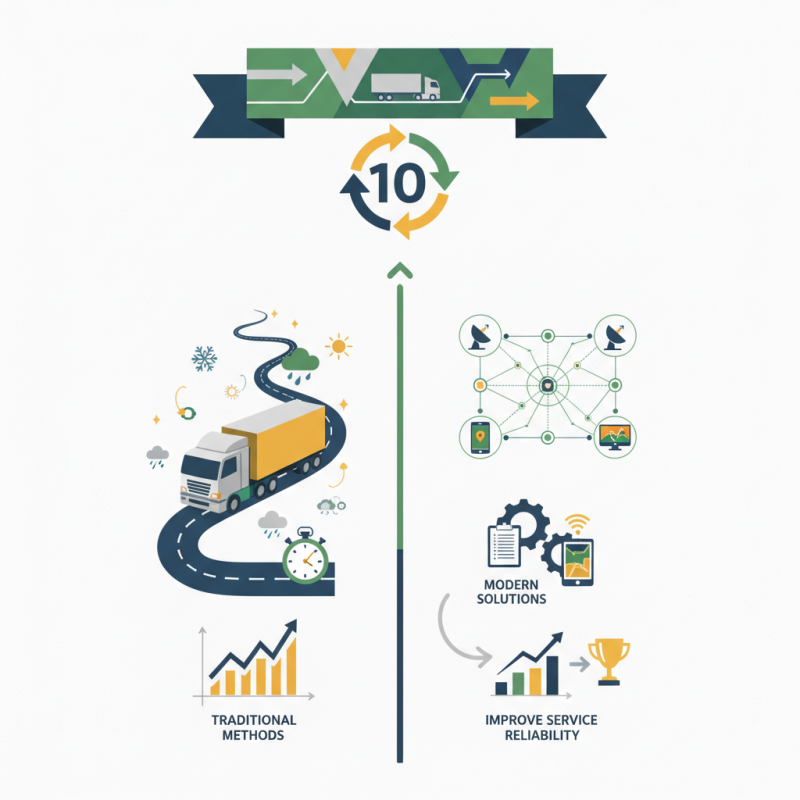
Utilizing advanced tracking technologies is a game changer. However, many companies still rely on outdated methods. This indicates a gap in innovation and efficiency that needs addressing. The balance between traditional practices and modern solutions is crucial for success. Adapting to new tools can enhance service reliability. It is vital for companies to reflect on their current strategies and embrace change. This adaptability is essential for thriving in the competitive landscape of Midwest trucking tracking.
Understanding the Importance of Trucking Tracking in the Midwest
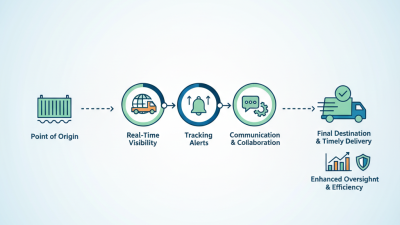
Efficient shipping in the Midwest hinges on effective trucking tracking. Real-time tracking enhances transparency and accountability. When customers know where their shipments are, it builds trust. This is crucial in a region with diverse weather conditions and traffic patterns.
One essential tip is to utilize GPS tracking systems. These tools provide accurate location data. They can help anticipate delays caused by traffic or weather. Another tip involves regular communication with drivers. Keeping open lines fosters better problem-solving. It allows you to address issues promptly when they arise.
It’s also important to understand the limitations of your tracking technology. No system is foolproof. Sometimes, data delays happen. Relying solely on technology can lead to missed opportunities for proactive adjustments. Balancing tech with human oversight is key to ensuring a smooth operation.
Top 10 Midwest Trucking Tracking Tips for Efficient Shipping
| Tip Number |
Tracking Method |
Advantages |
Considerations |
| 1 |
GPS Tracking |
Real-time location updates |
Requires mobile signal |
| 2 |
RFID Tags |
Automated tracking process |
Initial setup cost |
| 3 |
Mobile Apps |
User-friendly interface |
Device compatibility |
| 4 |
Web Portals |
Access from anywhere |
Internet required |
| 5 |
Sensor Integration |
Monitors cargo conditions |
Complex setup |
| 6 |
Email Notifications |
Instant updates |
Email reliability |
| 7 |
Data Analytics |
Improves decision making |
Requires analysis skills |
| 8 |
Customer Portals |
Direct customer access |
Security measures needed |
| 9 |
Telematics |
Comprehensive data gathering |
High installation costs |
| 10 |
Regular Maintenance Checks |
Reduces risk of delays |
Time-consuming |
Key Technologies for Effective Trucking Tracking Systems
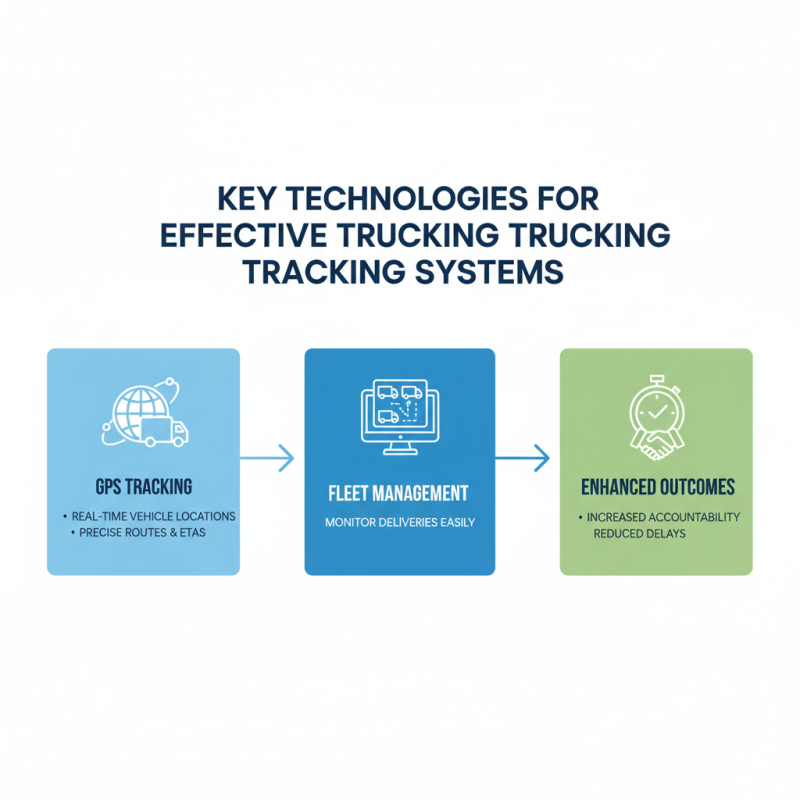
Effective trucking tracking systems rely on key technologies. GPS tracking is crucial for real-time vehicle locations. It provides precise data on routes and estimated arrival times. Fleet managers can monitor deliveries easily. This technology enhances accountability and reduces delays.
Telematics is another valuable tool. It collects data on vehicle performance, driver behavior, and fuel consumption. This information helps identify areas for improvement. However, interpreting this data can be challenging. Companies must ensure their teams are trained to analyze it effectively.
Mobile apps are changing how we track shipments. Drivers can communicate vital updates through their smartphones. This immediate feedback loop enhances transparency. Yet, not all drivers are tech-savvy. Regular training ensures everyone uses these tools effectively. With the right technologies, businesses can significantly improve their shipping efficiency.
Best Practices for Setting Up Real-Time Tracking Solutions
Implementing real-time tracking solutions in the trucking industry is essential for efficient shipping. According to a report by the American Transportation Research Institute, logistics can reduce costs by up to 10% with effective tracking systems. Transparent communication helps prevent delays and fosters trust between partners.
To set up these systems, focus on compatibility. Ensure your tracking solution integrates seamlessly with existing systems. Many companies overlook this; compatibility issues can lead to data silos. Real-time tracking offers visibility, yet it can also create data overload. Transport managers must discern which metrics matter most. Choose key performance indicators (KPIs) that align with your business goals.
Training staff on new tools is crucial. Even the best tracking system falters without proper user engagement. A report from the Logistics Management shows that 48% of companies do not provide adequate training, leading to underutilization of resources. Finally, review and adapt tracking processes regularly. This allows for continuous improvement and efficiency. Systems should evolve as technology advances and customer needs change.
How to Utilize Data Analytics for Improved Shipping Efficiency
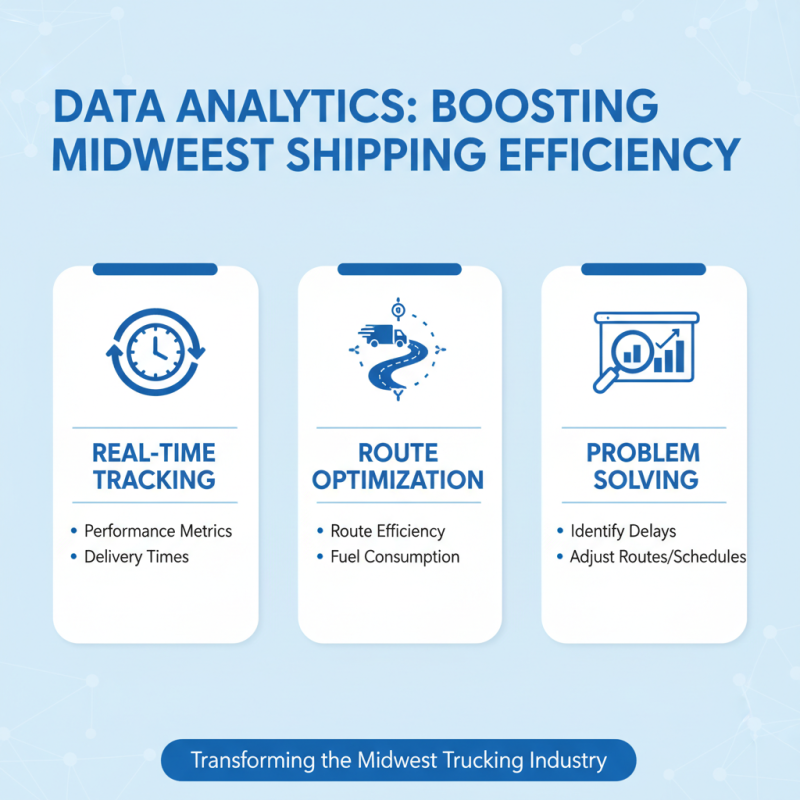
Data analytics can transform shipping efficiency in the Midwest trucking industry. It allows businesses to track performance metrics in real-time. By analyzing delivery times, route efficiency, and fuel consumption, companies can identify areas for improvement. For example, if data shows frequent delays in a specific region, adjustments can be made to routes or schedules.
Utilizing predictive analytics can also be beneficial. This approach anticipates potential disruptions and helps in planning. For instance, analyzing historical data might reveal peak traffic times. Without this data, companies may underestimate delays and overpromise delivery times. Effective data usage requires regular updates and checks for accuracy.
However, not all companies are adept at interpreting this data. Some may struggle with integrating disparate data sources. Training staff on data analytics tools can mitigate this issue. Regular feedback loops can enhance the decision-making process. Embracing a culture of data-driven decisions is vital for refining shipping strategies and achieving sustainable growth.
Strategies for Ensuring Accurate Delivery Time Estimates
Accurate delivery time estimates are crucial for efficient shipping. In the trucking industry, delays can lead to significant cost overruns. According to the American Trucking Associations (ATA), 25% of shipments experience unforeseen delays. This statistic emphasizes the importance of reliable tracking systems.
Implementing advanced tracking technologies enhances transparency throughout the shipping process. Real-time GPS tracking decreases the likelihood of miscommunication. Deliveries can be adjusted based on real-time data, leading to better customer satisfaction. Studies show that companies using robust tracking solutions see a reduction in delivery time errors by up to 30%.
However, it’s vital to recognize that not all tracking systems offer equal reliability. Some may fail to update in real time, creating discrepancies in ETAs. Companies should invest in reputable tracking solutions to mitigate this risk. Regularly reviewing these systems helps ensure they meet current needs and keeps teams aligned.
An essential aspect of ensuring accurate delivery estimates is communication. Engaging with drivers and customers can illuminate potential issues. This collaborative approach fosters a proactive attitude toward troubleshooting and improves overall efficiency. Continual feedback loops can highlight areas for improvement.
Top 10 Midwest Trucking Tracking Tips for Efficient Shipping
Understanding the impact of effective trucking strategies can lead to improved delivery times and customer satisfaction. The chart below illustrates the effectiveness of various tracking tips for efficient shipping in the Midwest region.