Pro Tracking Tips for Efficient Global Procurement Process?
In today’s fast-paced global market, efficient procurement processes are essential. Companies face numerous challenges in managing their supply chains. One critical method to tackle these challenges is the use of "pro tracking." This technique enhances visibility and control of procurement operations.
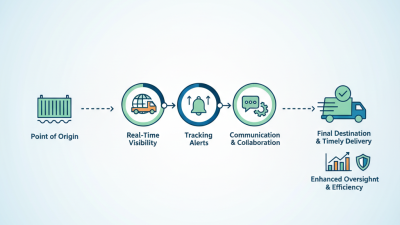
Effective pro tracking streamlines order management. It helps businesses monitor shipments in real time. Many organizations, however, still struggle with inconsistent communication and data accuracy. Without reliable systems in place, they risk delays and increased costs. This situation highlights the importance of adopting best practices in global procurement.
Additionally, efficient global procurement must consider cultural differences. Challenges in collaboration can arise due to varying business practices. Organizations should strive for clear guidelines and adaptability. Pro tracking offers a way to bridge these gaps, but it requires commitment and continuous improvement. Embracing this approach can lead to better alignment and a more resilient supply chain.

Understanding the Global Procurement Process and Its Challenges
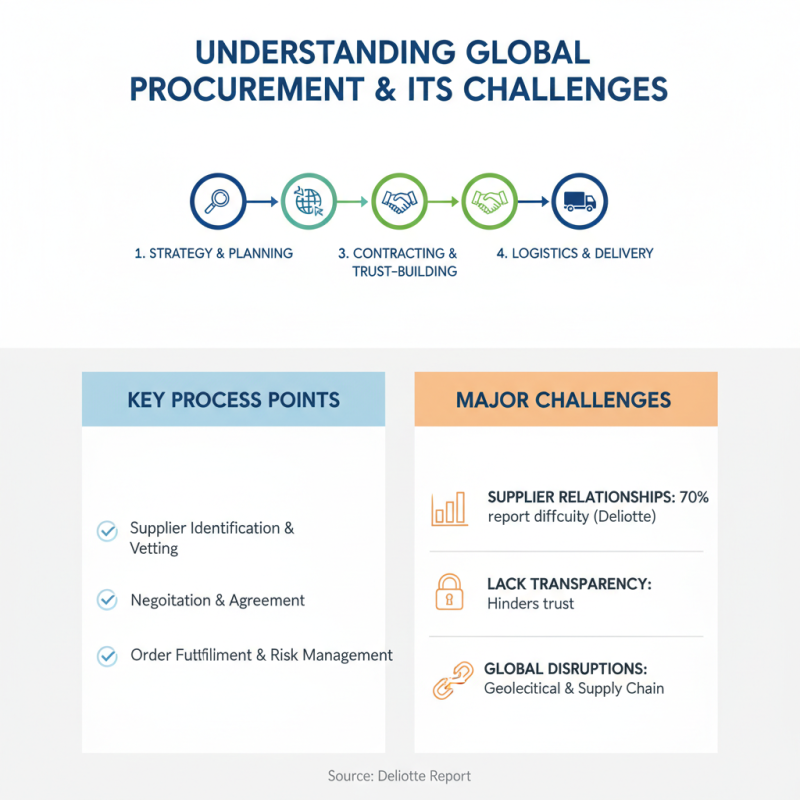
The global procurement process is complex and faces various challenges. According to a report by Deloitte, 70% of organizations report difficulty in managing supplier relationships. Building trust in partnerships is crucial, yet many companies struggle with transparency. Supply chain disruptions and geopolitical tensions also complicate procurement efforts.
Data from McKinsey indicates that 75% of organizations lack a clear procurement strategy, leading to inefficiencies. Companies often underestimate the importance of technology in streamlining operations. Many still rely on outdated systems, which can hinder decision-making. Effective tracking of procurement activities remains a significant oversight, inviting risks and errors.
Communication barriers further affect global procurement. As cultures differ, misinterpretations can cost valuable time and resources. Inconsistent quality from suppliers adds another layer of complexity. Organizations need to adapt their approaches and embrace flexibility. As challenges evolve, so must procurement strategies to ensure efficiency and effectiveness.
Identifying Key Metrics for Effective Procurement Tracking
Effective procurement tracking is crucial for any organization aiming for efficiency. One key metric to consider is lead time. Analyzing how long it takes for orders to arrive can identify bottlenecks. A shorter lead time often leads to higher satisfaction among teams and clients.
Cost variance is another vital metric. Monitoring discrepancies between expected and actual spending helps teams refine their budgets. It can be sobering to see how small inefficiencies add up over time. This insight reveals gaps in planning that may require a strategic rethink.
Supplier performance metrics provide deeper insights into procurement processes. Tracking delivery reliability and quality of goods can strengthen supplier relationships. It helps organizations understand where partnerships thrive and where improvements are needed. Regular assessments can sometimes unearth surprises that prompt a change in supplier strategy. This reflection fosters a proactive approach to procurement dynamics.
Implementing Technology for Enhanced Procurement Efficiency
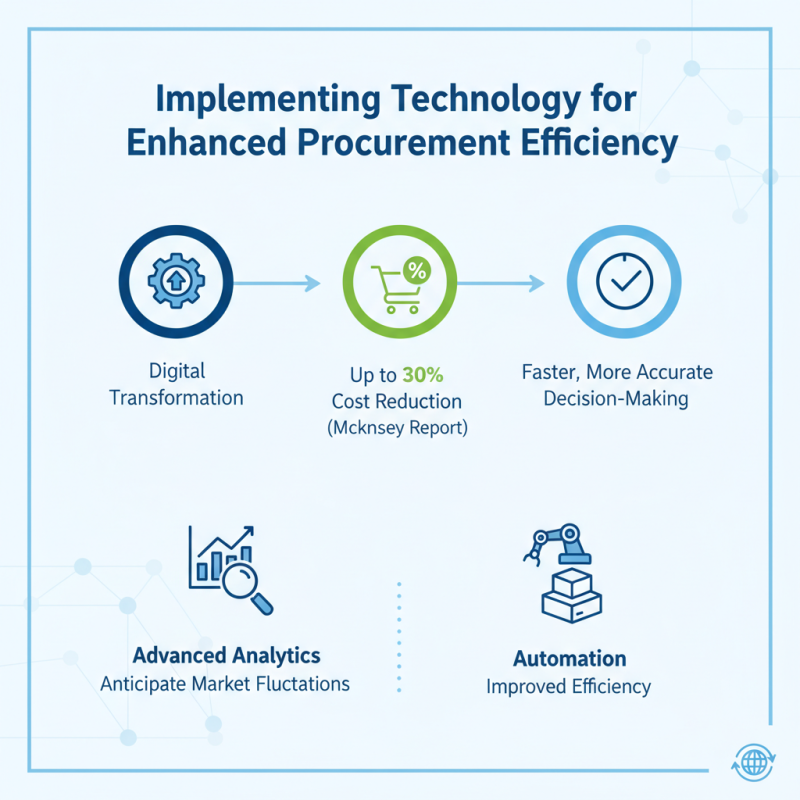
In today’s fast-paced global market, technology plays a crucial role in improving procurement efficiency. According to a report by McKinsey, organizations that digitally transform their procurement processes can achieve up to a 30% reduction in costs. This shift toward automation allows for faster and more accurate decision-making. Furthermore, advanced analytics helps businesses anticipate market fluctuations effectively.
However, the journey to enhance procurement through technology is not without challenges. Many companies struggle with integration issues when incorporating new systems. Research indicates that 70% of digital transformations fail due to inadequate planning and execution. This highlights the necessity for organizations to adopt a robust strategy before implementing new tools. Additionally, training staff to leverage these technologies is essential for maximizing their impact.
Investing in procurement technology requires careful consideration. Implementing the right solutions can lead to significant improvements, but it is vital to assess current operational limitations. Continuous feedback and analysis are required to refine processes. Businesses must remain flexible, adjusting strategies in response to evolving needs and market dynamics. By embracing a culture of continuous improvement, organizations can enhance their procurement efficiency sustainably.
Best Practices for Supplier Relationship Management
Effective supplier relationship management (SRM) is essential for a successful global procurement process. Building trust and understanding is key. Aim for open communication to address concerns. Schedule regular check-ins to strengthen partnerships. A personal approach fosters deeper connections with suppliers.
Listening to suppliers can reveal valuable insights. They know their strengths and limitations well. Implement feedback loops to collect and act on their input. This can lead to improved quality and reliability. However, be cautious; not all feedback will be actionable. There may be times when suppliers exaggerate capabilities.
Transparency in operations builds credibility. Share your procurement goals with suppliers. They should know what you expect. Consider involving them in early planning stages. This can lead to more innovative solutions. Still, collaboration can be challenging. Misalignments may arise, requiring patience and reassessment.
Continuous Improvement Strategies for Global Procurement Performance
In the global procurement landscape, continuous improvement is essential for enhancing performance. Organizations must consistently evaluate their procurement processes. Regular assessments can reveal inefficiencies that hinder progress. Small changes can make a big impact. For instance, adopting technology tools can streamline procurement tasks, saving time and reducing errors.
Effective communication plays a crucial role in procurement success. Building strong relationships with suppliers cultivates trust. Regular feedback sessions help identify pain points and foster collaboration. It's important to listen to your partners. This approach can lead to better negotiation outcomes and improved quality of service.
Tracking performance metrics also drives accountability. Establish key performance indicators for your procurement team. Analyzing these metrics can highlight areas for improvement. However, be prepared to adjust your strategies. No single method will fit all situations. Flexibility is key to adapting to dynamic market conditions. Reflecting on past decisions can inform future actions and enhance overall performance.
Pro Tracking Tips for Efficient Global Procurement Process
This bar chart illustrates the efficiency ratings of various global procurement strategies based on a survey conducted with procurement professionals. The strategies evaluated include Supplier Management, Cost Reduction, Risk Mitigation, Technology Integration, and Continuous Improvement.