Top Technology Shipping Trends Revolutionizing Logistics Today?
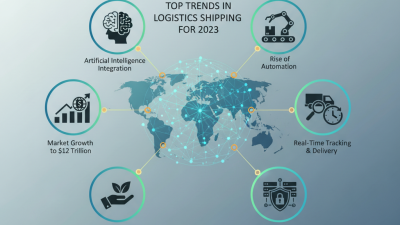
The logistics industry is undergoing a profound transformation thanks to technology shipping innovations. In recent years, advancements in automation, data analytics, and IoT have reshaped how goods are transported. For instance, companies are embracing smart shipping solutions to streamline operations.
However, this rapid evolution raises challenging questions. Are all players ready to adapt? Small businesses often struggle to keep up. The reliance on technology shipping can lead to vulnerabilities, especially in cybersecurity. As logistics becomes more interconnected, risks also amplify.
Moreover, while technology shipping enhances efficiency, it might overlook the human aspect. Workers may feel sidelined as machines take over roles. Addressing this imbalance is crucial for sustainable growth. The logistics landscape is transforming, but we must reflect on its broader impact.
Emergence of Automation in Logistics and Shipping Processes
The logistics and shipping sectors are currently witnessing a major transformation.
Automation is leading this change,
reshaping how operations are executed. From the use of robots in warehouses to autonomous vehicles on the roads, technology is enhancing efficiency.
For example, parcel sorting machines now handle packages faster than ever.
Automation can reduce human errors. Yet, it can create new challenges, like workforce shortages. Companies must invest time in training existing staff to adapt to new technologies.
Embracing automation is not just about replacing human roles; it's about creating smarter workflows.
Tips: Assess the potential impact of automation on your business.
Monitor each step to find where automation could help. Regularly communicate with your team to adjust strategies based on feedback.
Understand that with every new tool comes a learning curve.
Aim for gradual integration to avoid overwhelming staff.
Impact of Artificial Intelligence on Supply Chain Management
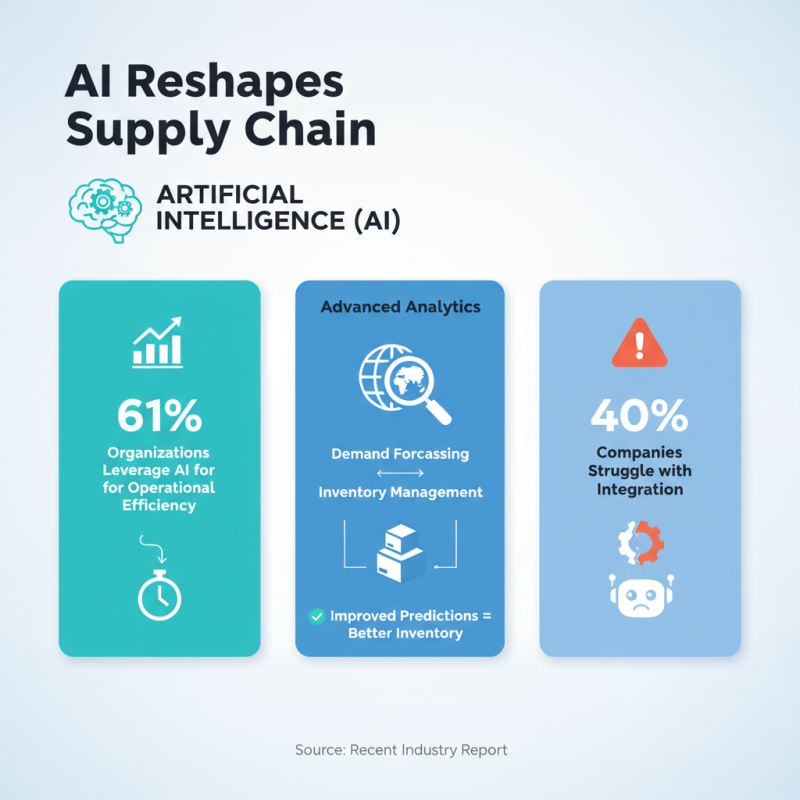
Artificial Intelligence (AI) is reshaping supply chain management in significant ways. A recent report indicated that 61% of organizations leverage AI to enhance operational efficiency. Companies use advanced analytics to forecast demand more accurately. Improved predictions lead to better inventory management. However, 40% of companies are still struggling to integrate these technologies effectively.
AI impacts logistics by optimizing routes and reducing costs. A study revealed that AI-driven optimization can reduce transportation expenses by up to 10%. Many logistics firms are investing heavily in AI algorithms. Yet, some face hurdles due to data quality issues. Without accurate data, AI cannot provide reliable insights.
The potential for AI in logistics is immense, but challenges remain. Many firms report difficulties in understanding AI's capabilities. There's also a gap in skills needed to implement these technologies. As AI evolves, organizations must adapt. The future of logistics relies on continuous learning and improvement, even if the journey is not always smooth.
Integration of Internet of Things (IoT) in Shipping Operations
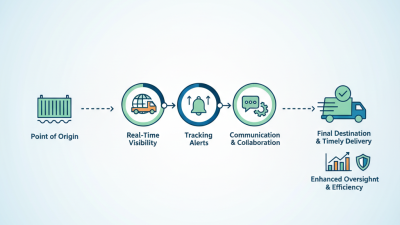
The integration of the Internet of Things (IoT) in shipping operations is changing logistics profoundly. Smart sensors on vessels can monitor cargo conditions. For example, they track temperature, humidity, and movement. If conditions deviate from the norm, alerts are sent in real-time. This immediate feedback can help prevent spoilage of sensitive goods.
However, the implementation of IoT is not without its challenges. Ships must have reliable internet access to transmit data. In remote areas, connectivity can be a major hurdle. Additionally, there are concerns about data security. Cyber threats can disrupt operations if not properly managed. Companies are hesitant to adopt IoT fully. They worry about the higher costs associated with upgrading equipment.
Despite these issues, the potential advantages are significant. Enhanced visibility in shipping processes can lead to better decision-making. Companies can optimize routes based on real-time data. This can save time and reduce fuel costs. Overall, while challenges remain, the IoT's role in shipping operations is a promising trend for the future.
Sustainability Practices Driven by New Shipping Technologies
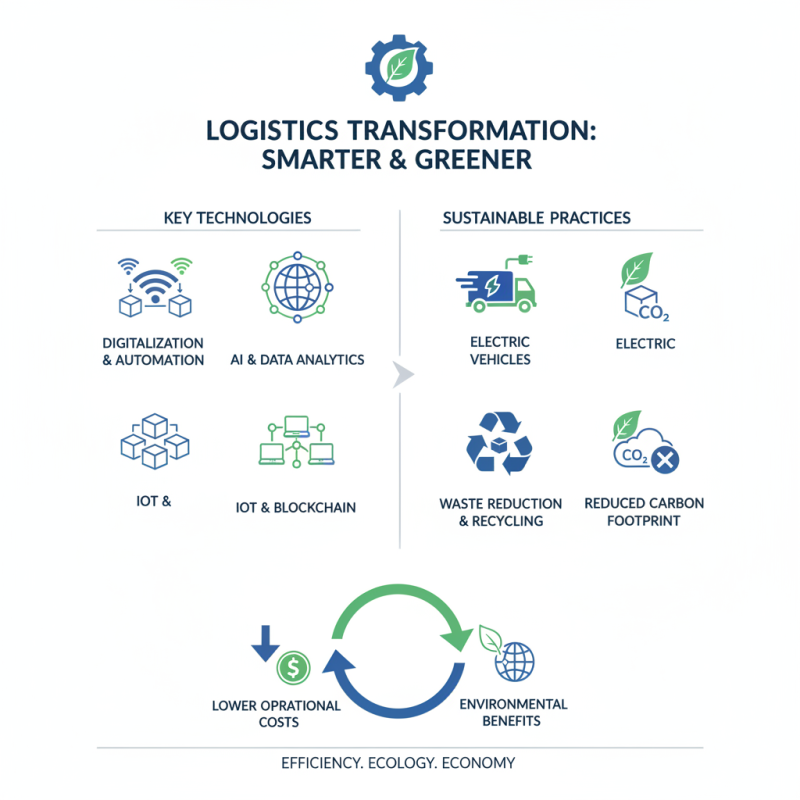
The logistics industry is undergoing a significant transformation due to new technologies. Companies are now focusing more on sustainable practices. These practices aim to reduce carbon footprints and minimize waste. For example, organizations are increasingly using electric vehicles for transportation. This shift not only helps the environment but also reduces operational costs in the long run.
Automation is another key technology that drives sustainability. Smart warehouses utilize robotics to streamline processes. By optimizing inventory management, these systems reduce excess materials that often end up as waste. However, not all automation solutions are perfect. Implementation can be costly, and businesses must adapt their workforce accordingly. Ensuring employees receive adequate training is crucial.
Additionally, data analytics plays a vital role in improving shipping efficiency. By analyzing shipping routes and modes, companies can make smarter decisions. This data-driven approach helps cut down on fuel consumption. Still, the challenge lies in integrating these technologies without disrupting existing operations. Adjusting to these changes requires careful planning and adaptation.
The Role of Blockchain in Enhancing Transparency and Security in Logistics
Blockchain technology is transforming the logistics sector. It enhances transparency and security in supply chains. A report by the World Economic Forum states that blockchain could reduce supply chain-related costs by up to 30%. This is significant for companies aiming to optimize operations.
With blockchain, every transaction is recorded. This creates a decentralized and tamper-proof ledger. As shipments move through various stages, each entry is traceable. This level of transparency builds trust among stakeholders. Problems can be addressed quickly with real-time data. However, not every organization is ready to adopt this technology. Costs and a lack of understanding remain challenges.
**Tip:** Start small. Implement blockchain in one part of your supply chain. Assess its impact before wider deployment. This approach minimizes risk and uncovers challenges early.
Security is another major advantage. Blockchain reduces fraud and errors. For instance, it authenticates products by verifying their origins. Yet, companies must ensure their staff is trained. A technological leap can backfire without proper knowledge.
**Tip:** Invest in training. Equip your team to maximize blockchain’s benefits. Knowledge is crucial for successful adoption.